Understanding Breakfast and Daily Energy

An educational exploration of morning meal strategies and their role in daily routines

Learn more

Introduction to Breakfast and Energy

Breakfast represents the first meal consumed after an overnight period. The concept of morning meals varies significantly across cultures, lifestyles, and individual preferences. This educational resource examines various approaches to organizing breakfast within daily routines.

The relationship between morning food intake and daily energy levels has been a subject of nutritional observation. Different individuals may experience varying patterns of energy throughout the day based on multiple factors including sleep quality, overall nutrition, physical activity, and meal timing.
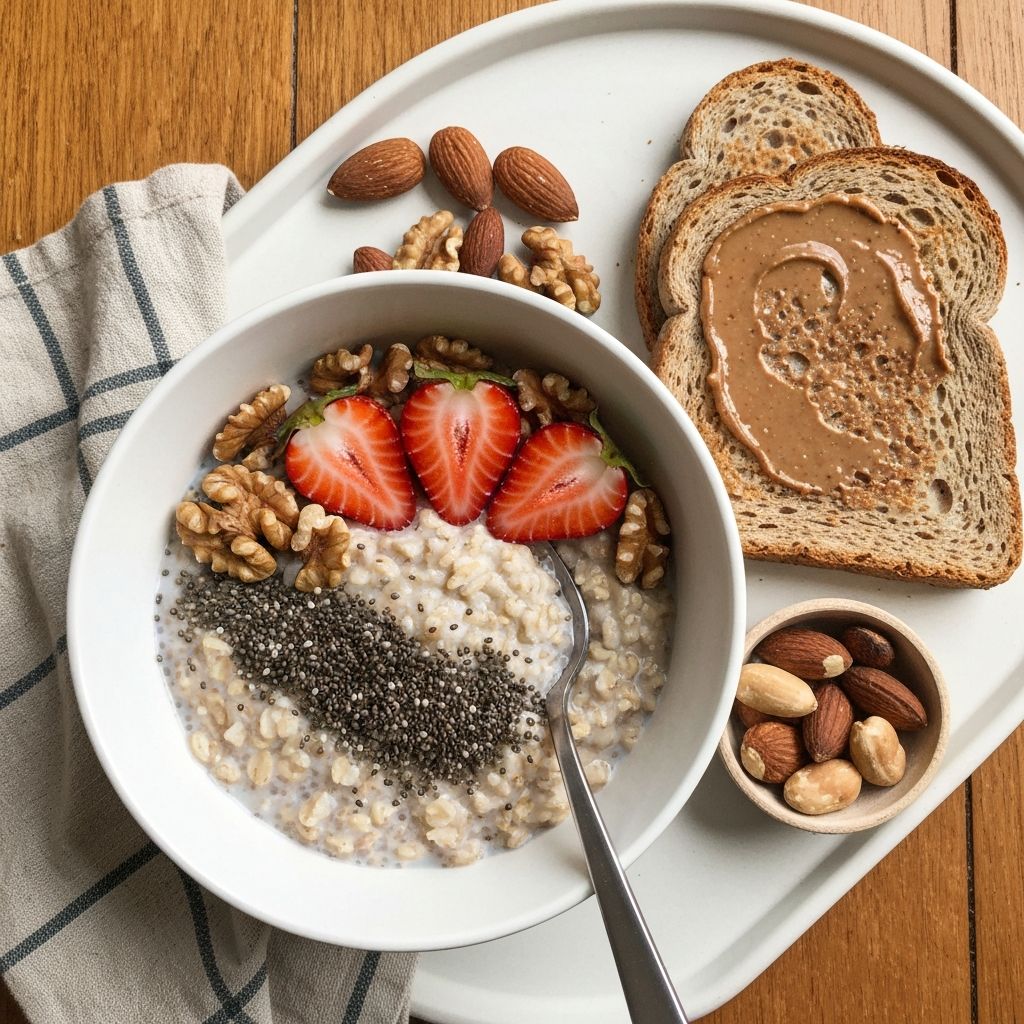
Educational overview of breakfast concepts

This website provides informational content about breakfast patterns observed in various populations and contexts. The material presented here is educational in nature and does not constitute personal dietary advice or recommendations.


Components of a Balanced Morning Meal

Macronutrient Overview

Morning meals typically consist of combinations of three primary macronutrient categories. These include carbohydrates, proteins, and fats, each serving different functions in human nutrition.

Carbohydrates are found in foods such as grains, fruits, and vegetables. They represent one of the primary energy sources in many dietary patterns.

Proteins are present in foods including eggs, dairy products, legumes, and various plant or animal sources. They serve multiple functions in human physiology.

Fats occur naturally in nuts, seeds, oils, and various whole foods. They contribute to satiety and nutrient absorption.

Components of balanced breakfast

Micronutrients and Fiber

Beyond macronutrients, morning meals may also provide various vitamins, minerals, and dietary fiber. These are found in whole grains, fruits, vegetables, and fortified food products. The availability and variety of these components depend on food choices and preparation methods.

Timing and Frequency Considerations

The timing of breakfast consumption varies widely among individuals and cultures. Some people consume their first meal shortly after waking, while others may wait several hours. There is no universal standard for breakfast timing that applies to all people.

Meal frequency patterns also differ significantly. Some individuals prefer traditional three meals per day, others may consume smaller, more frequent meals, and some follow time-restricted eating patterns. Each approach has been observed in various populations without a single pattern being universally optimal.

Factors that may influence breakfast timing and frequency include work schedules, cultural practices, personal preferences, hunger signals, and lifestyle considerations. Individual circumstances vary greatly, and what functions well for one person may not suit another.

Educational Context

The information presented here describes observed patterns and general concepts. It does not constitute personal advice or recommendations. Decisions about meal timing and frequency are individual choices that may be influenced by personal circumstances, preferences, and consultation with qualified professionals when needed.

Incorporating Breakfast into Daily Routine

Breakfast in daily routine

Practical Considerations

Integrating breakfast into daily schedules involves various practical considerations. Time availability in the morning often influences food choices and preparation methods. Some individuals allocate time for sit-down meals, while others prefer portable options.

Preparation approaches range from elaborate cooking to simple assembly of ready-to-eat items. The complexity of breakfast preparation often correlates with available time, cooking skills, and personal preferences rather than any specific requirement.

Individual Variation

People develop different routines based on their circumstances. Morning schedules, household composition, food preferences, and cultural backgrounds all contribute to how breakfast fits into daily life. There is substantial diversity in breakfast practices across different populations and contexts.

Educational Articles

Understanding Breakfast Composition

An examination of different components that constitute morning meals across various dietary patterns.

Read in detail

Timing of Morning Meals

Exploring various approaches to breakfast timing and their relationship to daily schedules.

Read in detail

Breakfast in Daily Routines

How different individuals integrate morning meals into their daily lives and routines.

Read in detail

Frequently Asked Questions

What is the purpose of this website?

This website provides educational information about breakfast and morning meal patterns. It is an informational resource that explains concepts related to morning nutrition without providing personal advice or recommendations.

Is this content intended as dietary advice?

No. The content on this website is purely educational and informational. It describes general concepts and observed patterns but does not constitute personal dietary advice, meal plans, or individualized recommendations.

Who is this information suitable for?

This educational content is intended for general audiences interested in learning about breakfast concepts. The information presented is descriptive rather than prescriptive and does not target specific health conditions or individual circumstances.

Does breakfast timing affect everyone the same way?

No. Individual responses to meal timing vary significantly based on numerous factors including genetics, lifestyle, sleep patterns, activity levels, and personal preferences. There is no universal approach that applies to all individuals.

Where can I find personalized guidance?

For individualized advice regarding nutrition, meal planning, or health concerns, consultation with qualified healthcare professionals or registered dietitians is appropriate. This website provides only general educational information.

Educational Reminder

MorningFuel is an educational resource providing informational content about breakfast patterns and morning nutrition concepts. We do not offer personal advice, dietary plans, or health services.

Educational content only. No medical services. No promises of outcomes.

Explore further